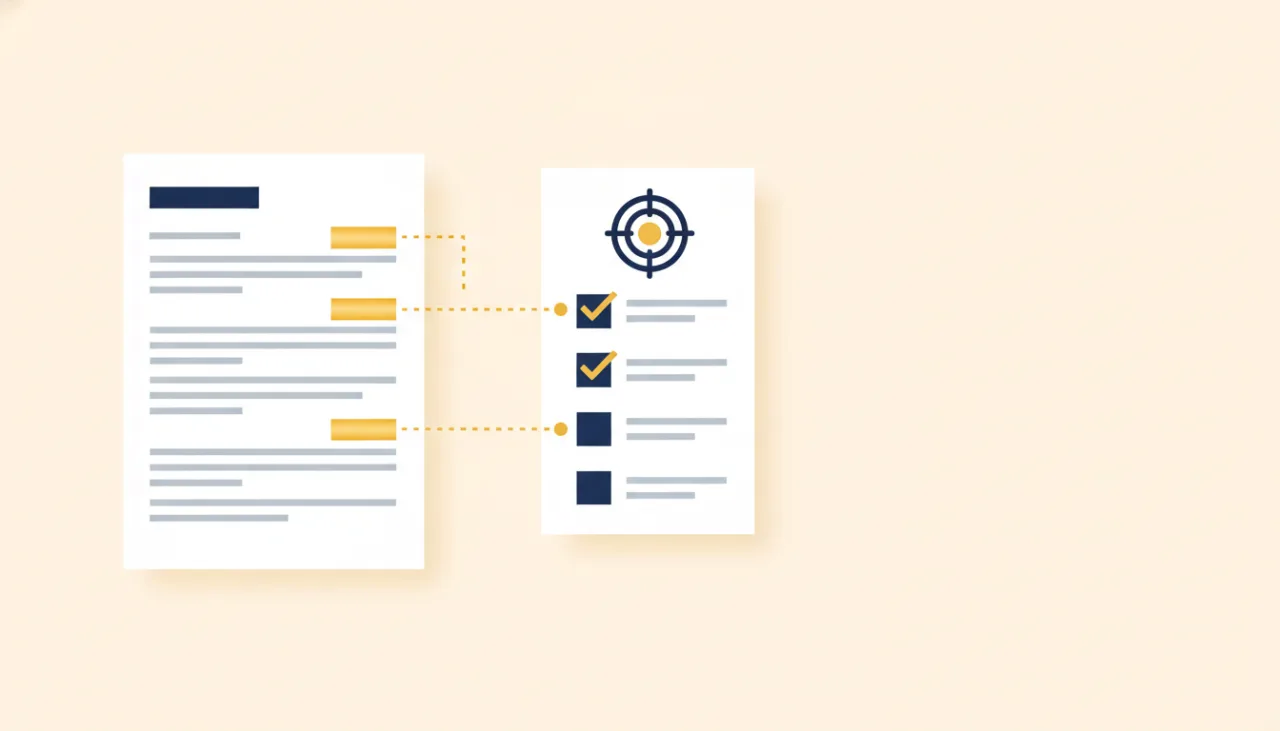
Civil Engineer resume keywords
For a civil engineer resume, the keywords recruiters and parsers look for fall into three buckets: core engineering skills (structural analysis and design, site development, stormwater management, grading and drainage, construction documents, building codes, project management), the software and credentials you actually hold (AutoCAD Civil 3D, Revit, SAP2000, STAAD.Pro, HEC-RAS, plus your PE or EIT/FE status), and human skills like cross-discipline collaboration and clear technical communication. Paste your resume below to see which of this role's keywords you already hit and which you're missing — comparison only, nothing uploaded. One honest note: adding keywords makes your resume more relevant to the role; it isn't a trick to fool the machine.
Civil Engineer resume keywords (31)
Hard skills
Tools & tech
Soft skills
Check your resume against these Civil Engineer keywords
Paste your resume (or drop a file) and see which of this role's keywords you already have and which you're missing — entirely in your browser, nothing uploaded.
Keywords are relevance, not a trick
Your PE, EIT, or FE status is verifiable through the state licensing board — state exactly where you stand (licensed, EIT, FE-passed, or in progress) and never round up.
Frequently asked questions
Match your specialty to the posting first — a structural role wants structural analysis, load calculations, and SAP2000; a land development role wants grading, stormwater, and Civil 3D. Then surface your licensure status, since many postings filter on PE or EIT. Use the exact software and code references the job names, where you genuinely have the experience.
Don't claim PE if you don't hold it — that's a serious misrepresentation a board can verify. Instead, state your real status accurately: "EIT," "passed FE exam," or "PE candidate, sitting [date]." Many roles explicitly hire at the EIT level, so being precise helps more than hiding it.
Civil is broad — weight your keywords toward the posting's discipline. Structural: structural design, ETABS, load calcs. Geotechnical: geotechnical engineering, soil analysis. Transportation: highway design, MicroStation. Water resources: stormwater, HEC-RAS. List the sub-discipline tools you've actually used and let the rest go.
No keyword set guarantees it. They make your resume more relevant and searchable, but firms still verify licensure and probe your real project work in technical interviews, and postings vary. Match the discipline honestly, quantify your projects (scope, budget, deliverables), and the interview takes it from there.
Updated · PolishCat team